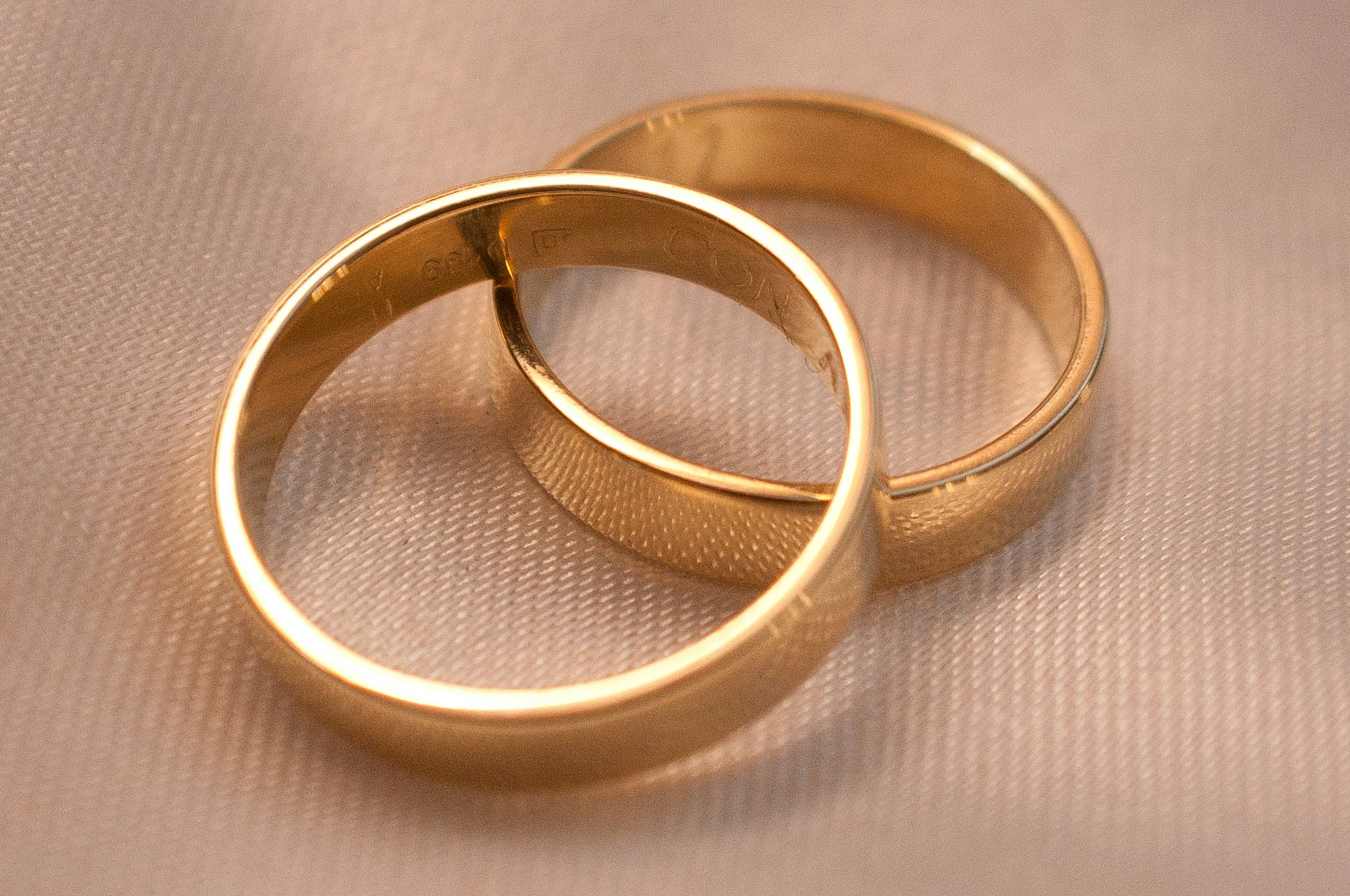
Karat measures purity
Karat (K) describes how much of an alloy is pure gold, out of 24 parts. It is different from carat (ct), which measures the weight of a gemstone.
| Karat | Pure gold | Character |
|---|---|---|
| 10K | 41.7% | The most durable and affordable. Paler in color. Ideal for everyday pieces. |
| 14K | 58.3% | A balance of warmth, strength, and value. A favorite for rings and daily wear. |
| 18K | 75.0% | Richer color and a luxurious weight. Slightly softer than 14K. |
| 22K | 91.6% | Deep, buttery yellow. Soft enough to show wear, which many love as patina. |
| 24K | 99.9% | The purest gold used in jewelry. Very soft, so it is best for pieces that see light wear, often with stronger findings. |
Yellow and white gold
Yellow gold is pure gold alloyed with metals such as silver and copper. White gold is alloyed with whiter metals and is usually rhodium plated for a bright finish. Over time the plating can wear, and it can be refreshed.
White gold is made at 10K, 14K, and 18K. There is no such thing as 24K white gold, because pure gold is always yellow.
Solid and hollow construction
Solid pieces are gold throughout. Hollow pieces, often hoops, are formed from gold tubing, which makes larger shapes lighter to wear. Every AURELLE product page states the construction.
Choosing your gold
- For rings and bracelets you wear every day, 10K or 14K offers the most resilience.
- For a warmer color and a heavier feel, choose 18K.
- For the richest color in pieces worn with care, choose 22K or 24K.